PPF vs Ceramic: The Best Paint Protection Choice for Florida Cars
Florida drivers face some of the harshest conditions for vehicle paint in the country. Intense sunlight, high UV exposure, coastal salt air, heavy rain, and constant road debris all work against your car’s finish. Without proper protection, heat damage to car paint can appear faster than many owners expect. Fading, oxidation, swirl marks, and chips are common problems across South Florida.
This is why advanced Florida car protection solutions are no longer optional. Two options dominate the conversation today: paint protection film and ceramic coating. Many drivers struggle to decide between PPF vs ceramic, especially when both are marketed as premium solutions.
At PL-Garage in Fort Lauderdale, we install both systems daily for luxury vehicles, electric cars, and high-end daily drivers. Understanding how each option performs in Florida’s climate helps you choose the right protection for your car and your driving habits.
Why Florida Heat Is Tough on Car Paint
Florida sun damage is more aggressive than in most states. UV exposure breaks down clear coat layers, causing paint to fade, dull, and oxidize faster. In summer months, surface temperatures on dark-colored vehicles can exceed 150 degrees Fahrenheit. This extreme heat causes paint to expand during the day and contract at night, which weakens the finish over time.
South Florida climate car care also includes coastal challenges. Salt air near beaches accelerates corrosion and stains unprotected surfaces. Heavy rain mixes with road oils, sand, and debris, which can embed contaminants into paint. Frequent storms and construction zones increase the risk of rock chips and scratches.
Without proper protection, UV exposure to car paint and environmental stress shorten the lifespan of your vehicle’s exterior. This makes choosing the right protection especially important for Florida drivers.
What Is Paint Protection Film (PPF)?
Paint protection film is a clear, durable layer applied directly to a vehicle’s painted surfaces. Modern PPF is made from thermoplastic polyurethane, commonly referred to as TPU. This material is thick, flexible, and engineered to absorb impact while maintaining clarity.
One of the most important benefits of paint protection film is self-healing technology. Minor scratches and swirl marks disappear when exposed to heat, either from the sun or warm water. PPF also provides excellent rock chip protection, shielding paint from road debris, sand, and minor impacts.
Luxury and electric vehicle owners often choose self-healing PPF because newer paint formulations can be softer and more vulnerable to damage. At PL-Garage, professional PPF installation in Fort Lauderdale is performed in a controlled environment to ensure proper adhesion, clean edges, and long-term durability.
What Is Ceramic Coating?
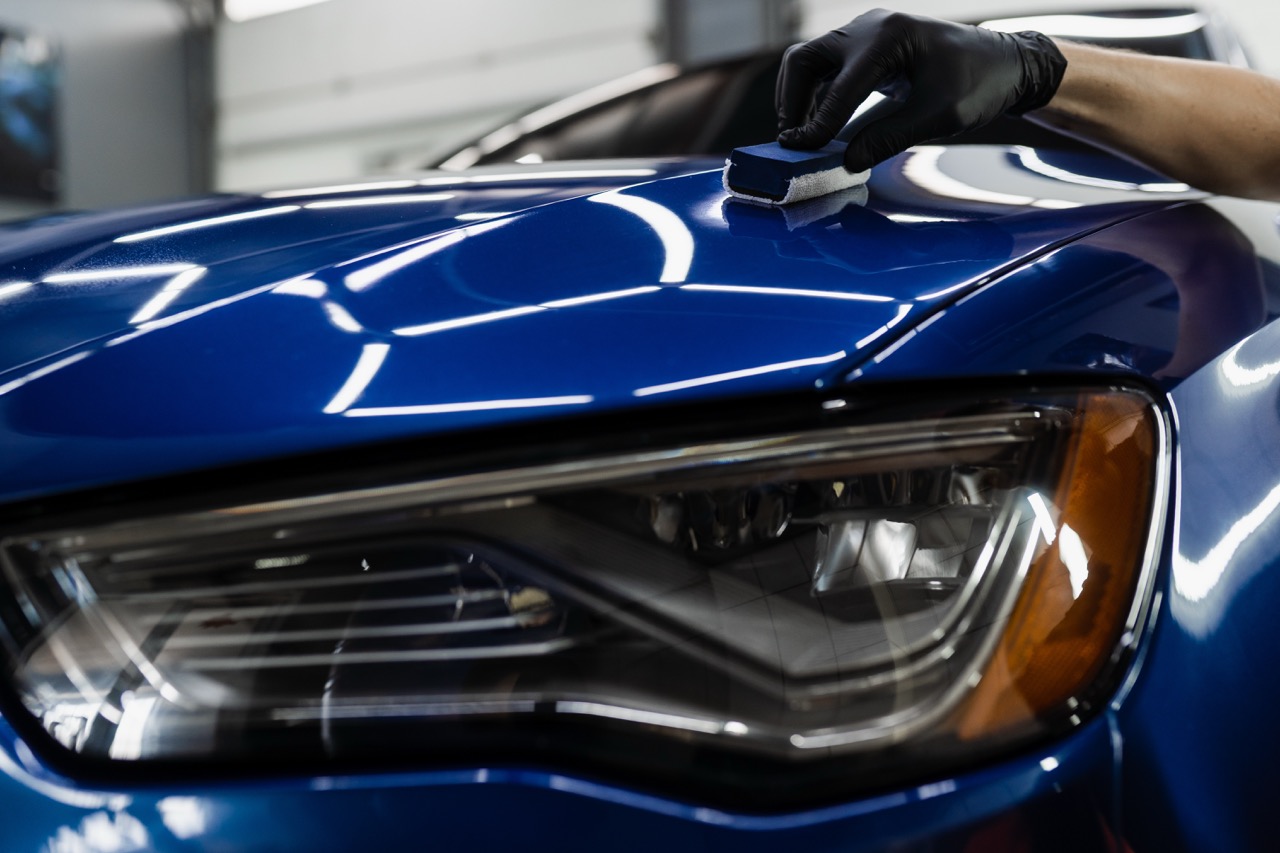
Ceramic coating is a liquid polymer applied to a vehicle’s paint that chemically bonds to the surface. Once cured, it forms a hard, hydrophobic layer that repels water, dirt, and contaminants. Ceramic coating in Florida is popular for enhancing gloss and making routine cleaning easier.
A hydrophobic car coating reduces water spots and helps prevent chemical staining from bird droppings, bugs, and tree sap. Ceramic coatings also offer UV resistance, slowing down oxidation and fading caused by prolonged sun exposure.
However, ceramic coating does not provide physical impact protection. It cannot stop rock chips, scratches, or abrasions from road debris. While it improves appearance and chemical resistance, it should not be confused with a protective barrier against impacts.
PPF vs Ceramic Coating: Key Differences Explained
When comparing PPF vs ceramic coating, the differences become clear once protection goals are defined.
| Feature | Paint Protection Film | Ceramic Coating |
|---|---|---|
| Protection Type | Physical barrier | Chemical surface protection |
| Thickness | Thick TPU film | Micron-thin layer |
| Heat Resistance | Absorbs expansion and impact | Resists UV and chemicals |
| Scratch Protection | High, self-healing | Minimal |
| Rock Chip Protection | Excellent | None |
| Appearance | Invisible or matte options | High-gloss finish |
| Maintenance | Wash and inspect | Easy cleaning |
This car paint protection comparison shows that PPF is built for defense, while ceramic coating focuses on appearance and ease of maintenance. For drivers seeking the best car protection in Florida, understanding these differences is critical.
Which Performs Better in Florida Heat?
Florida heat car protection demands solutions that handle constant UV exposure and thermal expansion. Paint protection film performs exceptionally well in these conditions. The flexible TPU material expands and contracts with the paint, preventing cracking and surface damage. It also blocks UV rays before they reach the paint layer.
Ceramic coatings respond differently. They provide strong UV resistant paint protection by slowing oxidation and fading. However, they do not absorb physical stress caused by heat expansion or road debris. Over time, ceramic coatings can wear down in high-heat environments without proper maintenance.
In real-world Florida driving conditions, vehicles exposed to coastal elements and daily highway use benefit more from PPF. Coastal car damage prevention requires a physical barrier, especially in sandy and debris-heavy areas.
Cost Comparison: PPF vs Ceramic Coating in Florida
Understanding car paint protection pricing helps drivers make informed decisions. PPF cost in Florida varies based on coverage area and film quality. Partial front PPF installations often range from $1,500 to $2,500. Full vehicle coverage can reach $5,000 or more for premium films.
Ceramic coating cost in Fort Lauderdale is generally lower. Professional applications typically range from $800 to $2,500 depending on coating grade and paint correction requirements.
Short-term cost favors ceramic coating. Long-term value often favors PPF due to its longer lifespan and physical protection. Premium installation matters for both options, as poor preparation or improper curing reduces effectiveness and durability.
Can You Combine PPF and Ceramic Coating?
Yes, combining both systems is one of the most effective protection strategies available. Ceramic coating over PPF enhances gloss, adds hydrophobic properties, and makes cleaning easier. This layered approach delivers combined paint protection that addresses both impact resistance and chemical defense.
Many luxury car owners in South Florida choose PPF for high-impact areas such as bumpers, hoods, and mirrors, then apply ceramic coating across the entire vehicle. This creates comprehensive luxury car protection Florida drivers value for long-term ownership and resale.
Which Option Is Right for Your Car?
The best paint protection for your car depends on how you drive and what you value most. Daily drivers benefit from ceramic coating if appearance and easy maintenance are priorities. Luxury vehicles often require PPF to protect high-value paint from chips and scratches. Electric vehicles frequently use PPF due to softer paint finishes.
Leased vehicles may favor ceramic coating for cost control, while long-term owners usually invest in PPF. Highway drivers face more debris risk than city drivers, making PPF a smarter choice. Florida car care solutions should always align with usage patterns and environment. If your goal is to protect car paint long term, PPF offers unmatched physical defense.
Why PL-Garage Is Trusted for PPF and Ceramic Coating in Fort Lauderdale
PL-Garage Fort Lauderdale is trusted by drivers who demand precision and durability. Our team provides professional PPF installation using premium TPU films designed for Florida conditions. Every installation is performed in a climate-controlled environment to ensure perfect adhesion and clean finishes.
As ceramic coating experts in Florida, we use proven products and proper surface preparation to deliver lasting results. Our experience with luxury vehicles, EVs, and daily drivers allows us to recommend solutions that truly fit your needs.
Upgrade Your Car’s Protection for Florida Roads
When comparing PPF vs ceramic, the better option depends on what you need to protect against. PPF delivers superior defense against heat, UV exposure, rock chips, and physical damage. Ceramic coating excels at gloss enhancement, chemical resistance, and easier maintenance.
Florida paint protection requires solutions that handle sun, salt air, and debris. For many drivers, combining both systems offers the best results. A professional consultation ensures you choose the right option for your vehicle.
If you are ready to protect your car properly, book a car protection service with PL-Garage and experience premium automotive care built for Florida roads.
Contact PL-Garage Today:
10791 NW 53rd Street Unit 104
Sunrise FL 33351
(561) 497-6304
Anthony@pl-garage.com